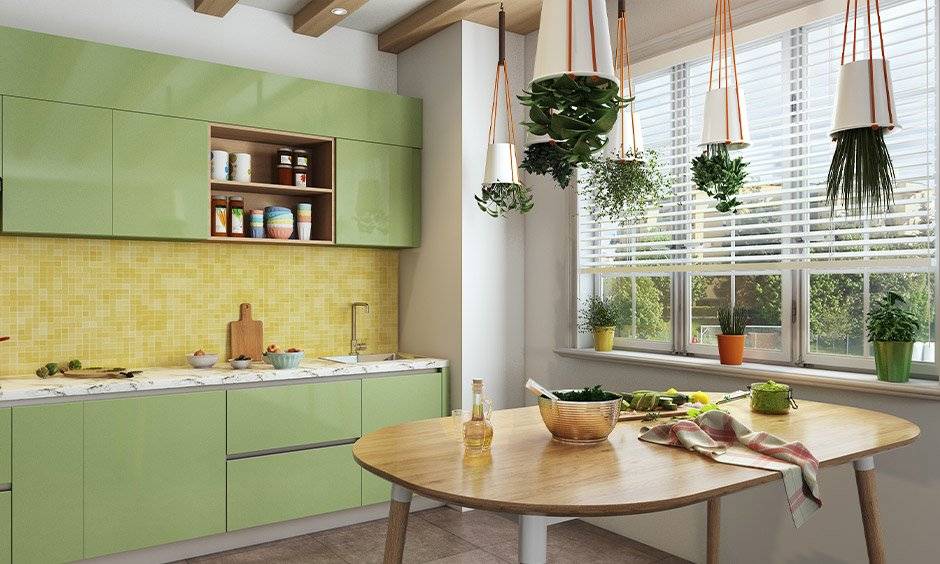
There is a specific kind of magic that happens when you’re cooking a meal and you reach over to snip a few sprigs of fresh basil or cilantro from your own windowsill. It’s the ultimate “nesting” flex—transforming a cramped apartment kitchen into a functional, living pantry.
But for apartment dwellers, the dream of a kitchen garden often hits a wall: limited sunlight, zero floor space, and the guilt of using plastic store-bought pots. At DailyNest, we believe sustainability and small-space living go hand-in-hand. Here is how to create a high-yield, eco-friendly herb garden even if your “yard” is just a tiny fire escape window.
1. Choose Your “High-Impact” Herbs
When space is tight, you shouldn’t waste it on herbs that are cheap and easy to buy in bulk. You want to grow the “divas”—the herbs that wilt quickly in the fridge or are expensive to buy fresh.
-
Basil: The king of apartment herbs. It loves the heat of a sunny window and provides a massive yield.
-
Mint: Warning—mint is an “extrovert.” It will take over any pot it’s in, so always give it a private container. It’s incredibly resilient and thrives even if you don’t have perfect sunlight.
-
Cilantro/Coriander: Great for cooking, but notoriously finicky. Growing it yourself ensures you have it exactly when it’s at its peak flavor.
-
Chives: These are the “set it and forget it” herbs. They grow back almost immediately after you cut them and take up very little vertical space.
2. Think Vertical (The Space-Saving Secret)
In a small apartment, your most valuable real estate isn’t your floor—it’s your walls and windows.
-
Tension Rod Garden: Use a heavy-duty tension rod across your window frame. Hang lightweight metal or upcycled plastic containers from S-hooks. This keeps your counters clear and puts your herbs directly in the path of the sun.
-
Magnetic Tins: If you have a stainless steel fridge near a window, use magnetic spice tins. Just ensure they have proper drainage (you can drill small holes in the bottom and line them with pebbles).
3. The Sustainable Pot: Upcycling for the Planet
Before you head to the garden center to buy plastic pots, look in your recycling bin. A sustainable nest is built on circularity.
-
Tin Cans: Large tomato or coffee cans make excellent industrial-chic planters. Punch 3–4 holes in the bottom for drainage and sand down the sharp edges.
-
Glass Jars: While beautiful, glass jars don’t have drainage. If you use them, you must use a “double-pot” system or a thick layer of charcoal and pebbles at the bottom to prevent root rot.
-
Self-Watering Wine Bottles: Cut the top off a wine bottle, flip it over, and use a wick system. This is a great way to keep thirsty herbs like basil hydrated while you’re at work.
4. Light: The Make-or-Break Factor
Most herbs need 6 to 8 hours of direct sunlight. In an apartment, “direct sunlight” is a luxury.
-
South-Facing Windows: These are your gold mines. Put your rosemary and thyme here.
-
North-Facing Windows: These are tougher. Focus on mint, parsley, and chives, which are more tolerant of lower light levels.
-
The Smart Nesting Fix: If your apartment is naturally dark, don’t give up. A small, full-spectrum LED grow light uses very little energy (under 10 Watts) and can be clipped directly onto your shelf. It’s a “Smart Nesting” investment that ensures your garden survives the winter.
5. Use “Living Soil” and Organic Nutrients
Sustainability means avoiding synthetic fertilizers that can lead to salt buildup in small pots.
-
The Scraps Hack: Remember our post on Indoor Composting? Use a diluted “Bokashi tea” to feed your herbs once every two weeks.
-
Eggshell Water: Boil your eggs for breakfast? Don’t pour that water down the drain. Once it cools, it’s a calcium-rich “power drink” for your plants.
Herb Care Comparison Table
| Herb | Light Needs | Water Frequency | Difficulty |
| Basil | Very High | Frequent | Medium |
| Mint | Medium | Frequent | Very Easy |
| Rosemary | High | Low (Let dry) | Easy |
| Parsley | Medium | Moderate | Easy |
| Cilantro | High | Moderate | Hard (Bolts fast) |
6. Harvesting the Right Way
The biggest mistake beginners make is “haircutting” their herbs—cutting all the leaves off the top. This stunts the plant.
-
The Pro Tip: Always cut just above a “node” (where two new leaves are starting to grow). This encourages the plant to branch out and become bushy rather than tall and spindly. For basil, never take more than 1/3 of the plant at a time.
7. Managing Pests Naturally
Apartment plants can still get “hitchhikers” like gnats or aphids. Since these are herbs you intend to eat, you must avoid toxic pesticides.
-
The Neem Oil Solution: A simple mix of water, a drop of dish soap, and a teaspoon of Neem oil is an organic way to keep your kitchen garden pest-free.
-
Sticky Traps: Small yellow sticky cards tucked into the soil can catch fungus gnats before they become a nuisance in your kitchen.
Final Thoughts
A sustainable kitchen herb garden isn’t just about the food; it’s about the ritual. It’s the slow process of tending to something living in the middle of a busy city. By upcycling your containers and using natural fertilizers, you’re creating a “nest” that is both beautiful and deeply responsible.
What’s the first herb you’re going to plant in your apartment garden? Let us know in the comments below!
Leave a Reply