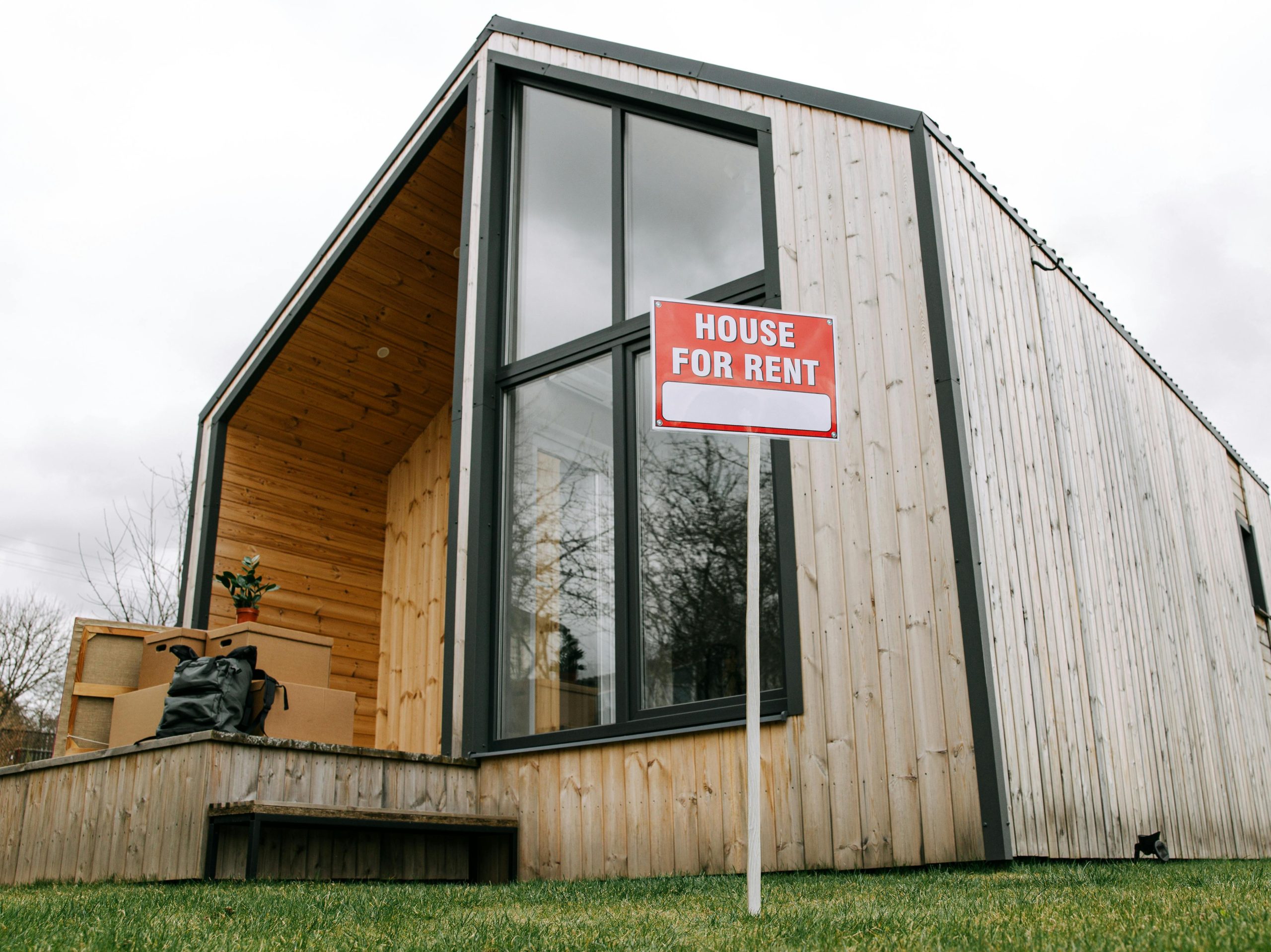
The concept of negotiating rent feels inherently “un-American” to many of us. We are conditioned to walk into a store, look at a price tag, and either pay it or walk away. But when it comes to the place where you live, the price tag is rarely set in stone. In fact, for a landlord or a property management company, the “asking price” is often just a starting point for a conversation.
I remember my first real negotiation. I was living in a mid-sized apartment complex, and my lease renewal arrived with a $150 monthly increase. I loved the place, but that extra $1,800 a year was going to eat my entire vacation fund. I felt that familiar knot of anxiety in my stomach—the fear that if I asked for a lower rate, they’d tell me to pack my bags.
The reality? Landlords are running a business, and the most expensive thing for that business is a “vacancy.” Between cleaning costs, lost rent, and marketing fees, it can cost a landlord thousands of dollars to replace a good tenant. That gives you more leverage than you realize.
Here is the professional, human-centered guide to negotiating your rent and keeping more of your hard-earned money in your pocket.
1. Timing is Your Secret Weapon
Negotiation isn’t just about what you say; it’s about when you say it. If you wait until three days before your lease expires to ask for a deal, you’ve already lost. You’re in a position of desperation, and the landlord knows it.
-
The 60-Day Window: Start the conversation about two months before your current lease ends. This is when the landlord is starting to wonder if they need to list the unit. By reaching out early, you show that you are a responsible planner.
-
The “Off-Season” Advantage: If you are looking for a new apartment, try to shop in the winter (December through February). Most people hate moving in the snow or during the holidays. Demand is low, and landlords are much more willing to drop the price just to get a body in the building.
2. Do Your Homework (The Market Reality)
You cannot negotiate based on “feelings.” Saying “I think this is too expensive” doesn’t work. Saying “Three similar units within two blocks are renting for $200 less” is a business argument.
-
Check the Comps: Use sites like Zillow, HotPads, or even local Facebook groups to see what similar apartments are going for right now. If your landlord is asking for $2,200 but the market average is $1,950, you have a data-driven reason to ask for a reduction.
-
Screen-Shot Everything: Bring proof. Having a printed list of active listings in your neighbourhood shows the landlord that you’ve done your research and that you are willing to move if the numbers don’t make sense.
3. Highlight Your Value as a “Triple-A” Tenant
Landlords don’t just want money; they want peace of mind. A tenant who pays $50 less but never calls about a lightbulb and always pays on time is much more valuable than a tenant who pays full price but trashes the place or pays late.
Before you ask for a lower rate, remind them why you are the ideal “customer”:
-
The Payment Record: “In the last two years, I have never missed a payment.”
-
The Maintenance Record: “I’ve taken great care of the unit and have only called for major issues.”
-
The “Quiet” Factor: “I’ve been a respectful neighbour with zero noise complaints.”
Reminding them of your track record makes the prospect of losing you feel much more risky for them.
4. Offer Something in Return (The “Quid Pro Quo”)
Negotiation is a two-way street. If you want the landlord to give up some profit, you should offer them something that makes their life easier. This is where most tenants miss out on huge savings.
Consider these “bargaining chips”:
-
Extend the Lease: Offer to sign an 18-month or 24-month lease instead of a standard 12-month. This guarantees them a filled unit for a longer period, which is worth a lot of money to a landlord.
-
Pre-Pay Rent: If you have some savings, offer to pay two or three months upfront in exchange for a 5% or 10% discount.
-
Handle Minor Maintenance: Offer to take care of the lawn, shovel the snow, or handle minor repairs yourself in exchange for a lower monthly rate.
Negotiables Beyond the Monthly Check
| Item | Potential Savings | Why Landlords Like It |
| Lease Length | $50 – $100 / month | Zero vacancy risk for 2 years. |
| Parking Spot | $100 – $200 / month | If you don’t have a car, ask to remove the “included” parking fee. |
| Amenities Fee | $25 – $75 / month | Often a “hidden” fee that can be waived for loyal tenants. |
| Referrals | One-time credit | Finding them a new tenant for a vacant unit is worth a “finds fee.” |
5. The Professional Pitch: How to Frame the Email
Never have this conversation over the phone if you can avoid it. You want a “paper trail,” and you want to be able to choose your words carefully.
A Professional Template:
“Hi [Landlord Name], I’ve really enjoyed living here for the past year and would love to stay. However, I’ve noticed that similar units in the area are renting for $[Price]. Given my history of on-time payments and the fact that I’ve taken great care of the place, would you be open to keeping my rent at $[Current Rate] if I sign a 24-month lease?”
Notice that this isn’t aggressive. It’s a “partnership” approach. You are inviting them to solve a problem with you.
6. Know When to Pivot
Sometimes, the landlord simply cannot budge on the monthly rent. Maybe they have a mortgage to pay, or their taxes went up. If they say “No” to a lower monthly rate, don’t walk away yet. Start negotiating on the “extras.”
-
Ask for a Free Month: It sounds crazy, but many landlords would rather give you the “13th month free” than lower the monthly rent by $100. Why? Because it keeps the “on-paper” value of the apartment high, which helps them with their bank loans.
-
Upgrade the Unit: If they won’t lower the rent, ask for a “capital improvement.” Ask for new appliances, fresh paint, or new carpet. If you’re going to pay a premium, you should get a premium living experience.
7. Be Prepared to Walk Away
This is the hardest part. A negotiation only works if you have a “Best Alternative to a Negotiated Agreement” (BATNA).
If the landlord knows you have nowhere else to go, they have no reason to lower the price. Always have a “Plan B” apartment in mind. Even if you don’t actually want to move, the psychological confidence of knowing you could move will change your body language and tone of voice during the negotiation.
Final Thoughts: It Never Hurts to Ask
The worst thing a landlord can say is “No.” They aren’t going to evict you just for asking for a better deal. In the professional world, everything is a negotiation. By approaching your rent with a business mindset—backed by data and a solid tenant history—you are simply advocating for yourself.
When I finally sent that email to my landlord years ago, they didn’t give me the full $150 reduction. But they did meet me in the middle and waived the “pet rent” I was paying for my cat. I ended up saving about $1,200 that year just because I spent 20 minutes writing a professional email.
You are the one paying the bill. You deserve to have a voice in what that bill looks like.
Leave a Reply