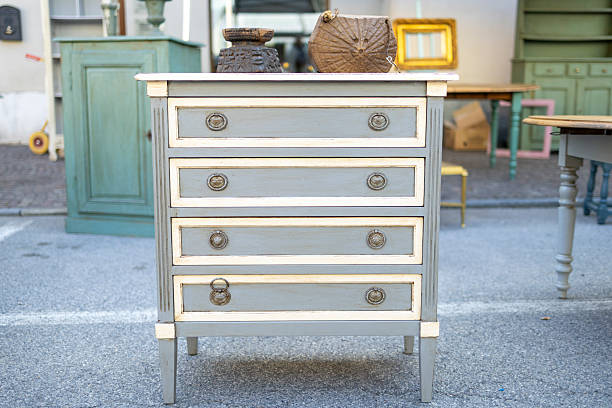
I remember the first time I scored a genuine mid-century modern credenza at an estate sale for pennies on the dollar. The rush of finding a piece of solid walnut furniture for the price of a flimsy, flat-pack shelf was unparalleled. But as I was loading it into the back of my car, my excitement quickly morphed into a low-grade panic.
What if it has termites? Does it smell like old smoke? Is this actually safe to bring into my house?
When you are trying to balance a healthy household budget, buying second-hand furniture is one of the absolute best financial strategies you can deploy. It allows you to bypass retail markups and acquire high-quality, durable goods for a fraction of the cost. However, maintaining a clean, safe, and toxin-free home is equally important. You don’t want your weekend bargain to turn into a costly pest control nightmare or a health hazard.
Navigating the second-hand market requires a specific set of skills. You have to be part interior designer, part financial negotiator, and part home-safety inspector.
Whether you are scouring Facebook Marketplace, walking through a local thrift store, or bidding at an estate sale, here is your professional, human-tested guide to buying second-hand furniture safely.
1. The Golden Rule of Upholstery (Bedbugs and Beyond)
Let’s tackle the biggest fear right out of the gate: pests. Bringing a used sofa, mattress, or upholstered chair into your home is the highest-risk move in the second-hand game. While wood and metal can be easily sanitized, soft fabrics are the perfect hiding spot for bedbugs, fleas, and dust mites.
If you are going to buy upholstered furniture, you must act like a detective before handing over your cash.
-
The Flashlight and Credit Card Test: Bedbugs are about the size of an apple seed, but their eggs are nearly invisible. Take a bright flashlight and a hard piece of plastic (like a credit card) with you. Run the card deep along the seams, tufts, and zippers of the cushions. You are looking for live bugs, shed skins, or tiny, rust-colored spots (which is pest excrement).
-
The Sniff Test: Don’t be shy—get close to the fabric and smell it. If it smells sweet, musty, or like wet towels, walk away. Mustiness indicates mold or mildew deep within the foam, which is nearly impossible to fully eradicate and will degrade your indoor air quality.
-
The Professional Quarantine: Even if an upholstered piece passes your visual inspection, never bring it directly into your living room. Leave it in a garage or covered porch for a few days. Thoroughly vacuum every inch of it, and ideally, use a high-heat steam cleaner on the fabric. Heat is the natural enemy of microscopic pests.
2. Sniffing Out the Unseen: Toxins, Smoke, and Lead
When we think about home safety, we often focus on alarm systems and locks, but the materials we bring through the front door are just as critical. Vintage furniture was built to last, but it was also built in an era before we understood the dangers of certain chemicals.
-
The Lead Paint Risk: If you are buying painted furniture made before 1978, you should assume it contains lead paint. If the paint is perfectly intact, it is generally safe. However, if the paint is chipping, flaking, or if you plan to sand it down to refinish it, you are creating a massive toxic hazard in your home. Pro Tip: Keep a pack of 3M LeadCheck swabs in your car. They cost a few dollars, take 30 seconds to use, and will tell you instantly if a piece is safe to handle.
-
Smoke and Pet Odors: Wood is porous. If a beautiful dresser sat in a smoker’s home for thirty years, the tar and nicotine are baked into the grain. While you can wash the surface with a TSP (Trisodium Phosphate) substitute, deep smoke odors will often re-emerge on hot, humid days. If a piece smells strongly of smoke or pet urine, it is rarely worth the rehabilitation effort.
3. Structural Integrity: The “Wiggle” Test
A wobbly dining chair isn’t just annoying; it is a physical safety hazard for your family and guests. When evaluating hard goods like tables, chairs, and dressers, you need to test the structural bones.
-
The Wiggle Test: Put your hands on the piece and give it a firm shake. If it wobbles, investigate why. If a solid wood chair has a loose joint, it can easily be fixed with some wood glue and a clamp. But if a piece of particleboard or MDF (Medium Density Fiberboard) is wobbly, the internal structure has likely crumbled. Particleboard cannot be reliably glued or re-screwed once it strips.
-
Check the Drawers: Pull every single drawer all the way out. Do they glide smoothly? Look at the side of the drawer boxes. You want to see “dovetail” joints (where the wood pieces interlock like puzzle pieces). Dovetail joints are a hallmark of high-quality craftsmanship that will last a lifetime. If the drawers are held together with staples and hot glue, lower your price expectations.
-
Inspect the Legs: Look closely at where the legs meet the floor. If the wood is swollen, splintered, or dark black, the piece has likely been sitting in water (like a flooded basement). Water damage compromises the strength of the wood and invites rot.
4. The Hard “No’s”: Recalls and Baby Furniture
There is one category of second-hand furniture where budget should never override safety: nursery and children’s furniture. Safety standards for baby gear evolve rapidly, and what was considered safe a decade ago might be illegal to sell today.
-
Cribs are Non-Negotiable: Never buy a vintage or drop-side crib. Drop-side cribs were banned in the United States in 2011 due to tragic entrapment and suffocation hazards. Even if a standard crib looks modern, the hardware may be fatigued or the slat spacing might not meet current safety codes. It is always safer to buy a new, budget-friendly crib than a high-end used one.
-
The Dresser Tip-Over Hazard: If you are buying a dresser, particularly for a child’s room, you must secure it to the wall. Older dressers are incredibly heavy and were not designed with modern anti-tip standards in mind. When you buy a used dresser, immediately purchase a $10 heavy-duty furniture anchor kit to protect your kids and pets.
5. Safe and Smart Transactions
Finally, the logistics of acquiring the furniture require a bit of street smarts. The financial win of negotiating a great price shouldn’t compromise your personal safety.
-
Negotiate Kindly but Firmly: Sellers almost always price their items with a little bit of “wiggle room.” If an item has a scratch or needs a deep clean, politely point it out as a reason for a lower offer. Say something like, “I love this piece, but factoring in the cost of renting a steam cleaner, would you consider taking $50?”
-
The Meet-Up Protocol: If you are buying from a stranger online, prioritize your physical safety. If the item is small enough, meet in a public, well-lit place—many local police stations now have designated “Safe Trade Zones” in their parking lots with 24/7 camera surveillance. If you must go to someone’s house for a large piece, never go alone. Bring a friend, and always let someone else know the exact address you are visiting.
Final Thoughts: The Thrill of the Hunt
Bringing second-hand furniture into your home is one of the most rewarding ways to curate a space that feels uniquely yours. It keeps perfectly good materials out of the landfill, honors the craftsmanship of the past, and leaves a significant amount of money in your wallet to fund your larger financial goals.
By acting as your own safety inspector—testing for pests, avoiding toxic finishes, and verifying structural integrity—you take the risk out of the equation. You aren’t just buying “used stuff”; you are intentionally selecting high-quality heirlooms to elevate your sanctuary.
Would you like me to help you draft a quick checklist you can save to your phone, covering the exact tools and questions you should bring with you to your next estate sale or thrift run?
Leave a Reply