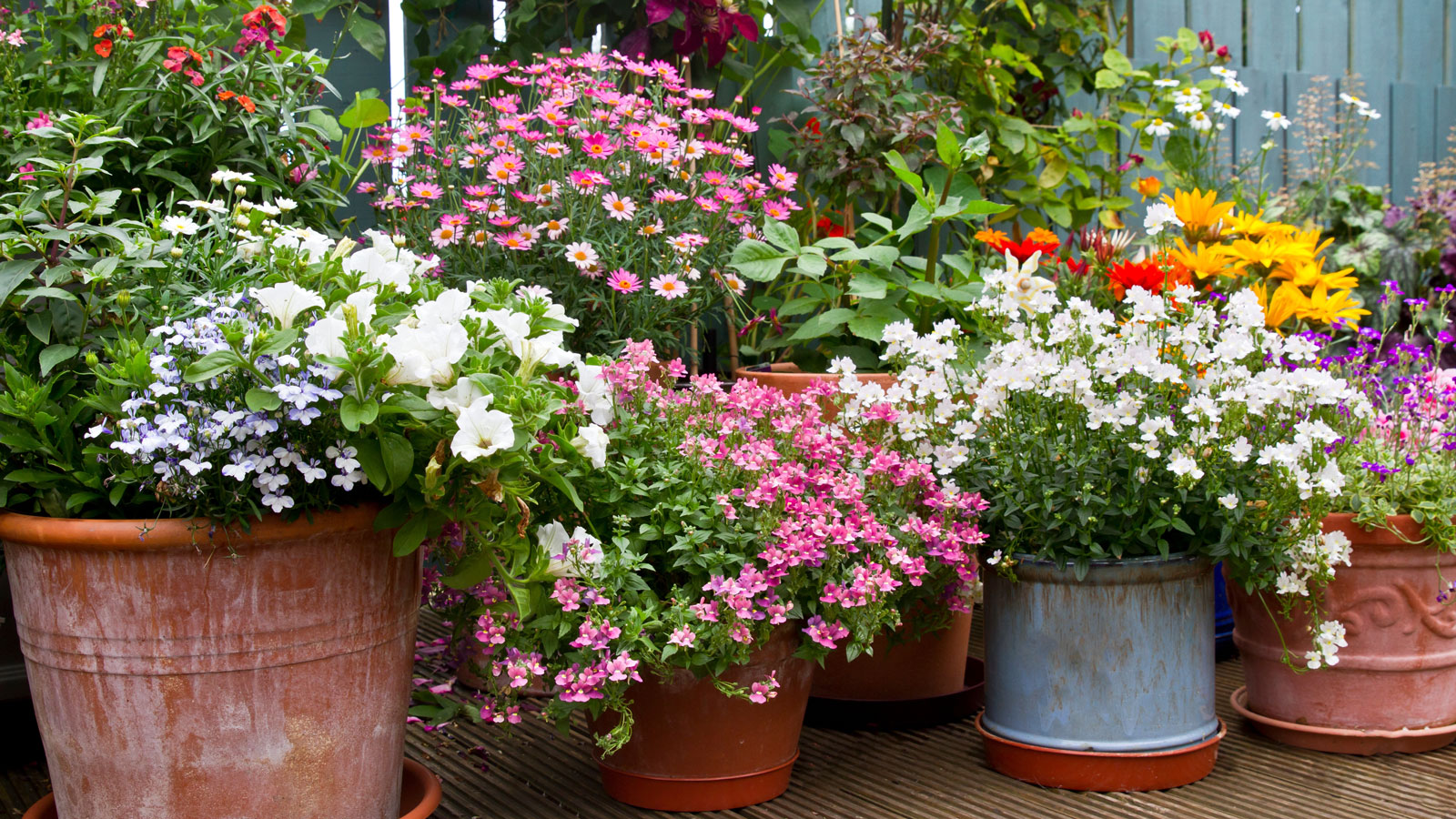
There is something inherently peaceful about a window garden. It’s the ultimate “nesting” project—bringing a slice of the natural world into your living room, kitchen, or bedroom. But for many beginners, the dream of a lush, green window often ends in a collection of dry, brown leaves and empty terracotta pots.
The secret to a successful indoor garden isn’t a “green thumb”; it’s matching the right plant to the right light. In 2026, as we spend more time indoors, these “living air purifiers” are essential for our mental well-being. If you’re ready to start your green journey but you’re famous for killing even a silk plant, here are the top 7 low-maintenance plants that are practically impossible to kill.
1. The Snake Plant (Dracaena trifasciata)
If there were a Hall of Fame for resilient plants, the Snake Plant would be the MVP. Also known as “Mother-in-Law’s Tongue,” these architectural beauties have stiff, sword-like leaves that store water for weeks.
-
Why it’s perfect for beginners: It thrives on neglect. It can handle low light (like a north-facing window) or bright, indirect light.
-
The “Nesting” Benefit: Snake plants are unique because they convert $CO_2$ into oxygen at night, making them the perfect companion for a bedroom window garden.
-
Care Tip: Only water it when the soil is bone dry. If in doubt, wait another week.
2. Pothos (Epipremnum aureum)
Often called “Devil’s Ivy” because it’s so hard to kill, the Pothos is the ultimate trailing plant. It grows quickly, creating beautiful green vines that can frame a window beautifully.
-
Why it’s perfect for beginners: The Pothos actually “talks” to you. When it’s thirsty, the leaves will start to droop slightly. Once you give it a drink, it perks back up within hours.
-
The “Nesting” Benefit: It’s incredibly easy to propagate. Just snip a vine, put it in a glass of water, and watch new roots grow. It’s a free way to expand your garden!
-
Care Tip: It prefers bright, indirect light but can survive in almost any corner of your home.
3. ZZ Plant (Zamioculcas zamiifolia)
The ZZ plant looks like it belongs in a high-end design magazine with its waxy, deep green leaves. It’s slow-growing and very sturdy.
-
Why it’s perfect for beginners: It has evolved to survive in extreme droughts. The bulb-like stems under the soil store water, so if you go on a two-week vacation and forget to water it, the ZZ plant won’t even notice.
-
The “Nesting” Benefit: It is highly resistant to common household pests like spider mites or gnats.
-
Care Tip: Keep it out of direct afternoon sun, which can scorch the beautiful waxy leaves.
4. Spider Plant (Chlorophytum comosum)
The Spider Plant is a classic for a reason. Its arching, variegated leaves look like a firework display, and it’s famous for producing “babies”—miniature versions of itself that dangle from the main plant.
-
Why it’s perfect for beginners: It’s very adaptable to different temperatures and light levels. It’s also one of the few indoor plants that is completely non-toxic to cats and dogs.
-
The “Nesting” Benefit: According to NASA research, Spider Plants are excellent at removing toxins like formaldehyde and xylene from indoor air.
-
Care Tip: Use filtered water if possible. They can be sensitive to the fluoride found in some tap water, which can cause the tips of the leaves to turn brown.
5. Aloe Vera
No kitchen window garden is complete without an Aloe Vera plant. It’s a succulent that serves as a living first-aid kit.
-
Why it’s perfect for beginners: As a succulent, it prefers to be ignored. It needs very little water but loves a bright, sunny window.
-
The “Nesting” Benefit: If you get a minor burn or a scratch while cooking, you can snap off a small piece of a leaf and apply the cooling gel directly to your skin.
-
Care Tip: Use a “Cactus/Succulent” soil mix. Regular potting soil holds too much moisture and can lead to root rot.
6. Peace Lily (Spathiphyllum)
If you want a plant that actually flowers indoors, the Peace Lily is your best bet. Its elegant white “spathes” add a touch of sophistication to any room.
-
Why it’s perfect for beginners: Like the Pothos, it is very expressive. It will “faint” dramatically when it needs water, telling you exactly when it’s time for a drink.
-
The “Nesting” Benefit: It’s a powerhouse for air purification and adds a soft, organic feel to more “tech-heavy” rooms.
-
Care Tip: Keep it in a spot with medium to low light. Direct sun will turn the leaves yellow.
7. Jade Plant (Crassula ovata)
The Jade Plant is often associated with good luck and prosperity. It has thick, woody stems and plump, oval leaves that give it a miniature “tree” appearance.
-
Why it’s perfect for beginners: It can live for decades (some have been passed down for generations!). It thrives in the dry air common in most homes during the winter.
-
The “Nesting” Benefit: It’s a great way to practice the art of “Bonsai” without the difficulty. You can prune it into a beautiful shape over time.
-
Care Tip: It loves light. Keep it in your sunniest window (South or West-facing) for the best growth.
Window Garden Light Guide
| Window Direction | Light Level | Best Plants |
| North | Low/Stable | Snake Plant, ZZ Plant |
| South | High/Direct | Aloe Vera, Jade Plant |
| East | Soft Morning | Pothos, Peace Lily |
| West | Intense Afternoon | Spider Plant, Aloe |
Final Thoughts for Your First Garden
Building a window garden is one of the most rewarding ways to “nest.” It changes the energy of a room and gives you a small, daily connection to nature. Start with just one or two of these plants, learn their “language,” and watch your confidence (and your garden) grow.
Which of these plants are you going to start your window garden with? Let us know in the comments!
Leave a Reply