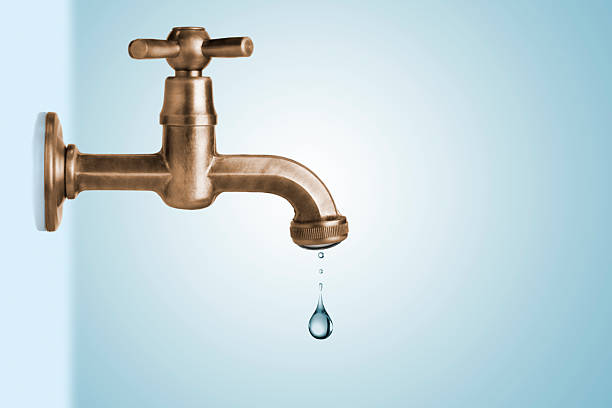
There is a specific kind of psychological torture associated with a leaky faucet. It starts as a minor annoyance—a rhythmic drip-drop that you can ignore during the day. But at 2:00 AM, that tiny sound becomes a metronome of wasted money and impending home maintenance doom.
Most homeowners assume a leak requires a professional with a heavy toolbox and a three-figure invoice. The truth? About 90% of household leaks are caused by a single, degraded rubber part that costs less than a cup of coffee. If you can turn a screwdriver and follow a sequence, you can fix a leaky faucet in about 15 minutes.
Here is how to reclaim your sanity and your water bill without calling in the cavalry.
The Pre-Game: Identifying Your Faucet
Before you grab your wrench, you need to know what you’re looking at. Most modern homes have one of four types of faucets: Compression, Ball, Cartridge, or Ceramic Disk.
-
Compression Faucets usually have two separate handles (hot and cold). They work by tightening a screw against a rubber washer.
-
Ball, Cartridge, and Ceramic Disk Faucets usually have a single lever that shifts from side to side. These are “washerless” but still rely on O-rings or neoprene seals that eventually dry out.
Regardless of the model, the anatomy is similar: a handle, a decorative cap, a stem (or cartridge), and a seal.
Step 1: Total Shutdown
Safety first. You cannot work on a pressurized system.
Look under your sink. You should see two silver valves—one for hot, one for cold. Turn them clockwise until they are tight. If your house is older and doesn’t have local shut-off valves, you’ll need to turn off the main water supply to the entire house.
The Pro Tip: Once the water is off, open the faucet handles to “On.” This bleeds out any remaining water and pressure left in the pipes. If you skip this, you’ll get a miniature geyser the moment you loosen the first bolt.
The “Save Your Sanity” Tip: Plug the drain. Use the stopper or a rag. There is no feeling more defeating than watching a tiny, essential brass screw bounce off the porcelain and disappear forever into the P-trap.
Step 2: Surgery (Removing the Handle)
To get to the guts of the faucet, you have to take off the “skin.”
Most handles have a decorative “index” cap (the little plastic bit that says ‘H’ or ‘C’). Use a flat-head screwdriver to gently pry this off. Underneath, you’ll find a screw. Unscrew it, and the handle should pull straight up.
If the handle is stuck due to mineral deposits (common in hard-water areas), don’t go “Incredible Hulk” on it. Give it a few gentle taps with the handle of your screwdriver or spray a bit of penetrating oil (like WD-40) and wait five minutes. It will eventually give way.
Step 3: Extracting the Stem or Cartridge
Now you’re looking at the “stem” or “cartridge.” This is the part that actually controls the water flow. Depending on your faucet, it might be held in place by a large brass nut or a small metal clip.
-
For Compression Faucets: Use an adjustable wrench to unscrew the packing nut. Once that’s off, the stem should unscrew or pull out.
-
For Cartridge Faucets: You’ll often see a small U-shaped brass clip holding the cartridge in place. Use pliers to pull that clip out sideways, and then pull the cartridge straight up.
The Golden Rule of Plumbing: Take a photo of the assembly before you pull it apart. You might think you’ll remember which way the “notched side” was facing, but 10 minutes later, you won’t.
Step 4: The Usual Suspects (Replacing the Seals)
Once the stem is out, you’ll likely find the culprit.
-
In Compression Faucets: Look at the bottom of the stem. There is a small rubber washer held in place by a brass screw. If that washer looks flattened, cracked, or “chewed,” that’s your leak. Unscrew it, swap in a new one of the same size, and put the screw back.
-
In Cartridge/Ball Faucets: The leak is usually caused by the O-rings (the rubber bands around the cartridge) or the “Spring and Seat” (two tiny rubber cups with springs located inside the faucet body). Pop the old ones out with a screwdriver and drop the new ones in.
The Hardware Store Trick: If you aren’t sure what size you need, take the old parts with you to the store. Every hardware store has a “Plumbing Wall” with a gauge where you can match your old washer to a new one.
Step 5: Reassembly and The Big Reveal
Clean any “gunk” or white mineral crust off the parts using an old toothbrush and some white vinegar before putting them back. This ensures a watertight seal.
-
Drop the stem or cartridge back in (referencing your photo for orientation).
-
Tighten the packing nut or re-insert the clip.
-
Replace the handle and the screw.
-
Crucial Step: Turn the faucet to the “OFF” position before turning the water valves under the sink back on.
Turn the water valves on slowly. Once they are fully open, turn the faucet on and let the air sputter out for a few seconds. Turn it off.
Listen.
If there’s silence, congratulations—you’ve just saved yourself a $150 service fee and potentially hundreds of gallons of water per year.
Troubleshooting Guide: If It’s Still Dripping
| Symptom | Probable Cause | The Fix |
| Leak from the spout | Worn washer or seat. | Replace the bottom washer or O-rings. |
| Leak from the handle | Worn “packing” or O-ring. | Replace the O-ring under the handle screw. |
| Grinding sound when turning | Mineral buildup. | Soak the stem in vinegar for 30 minutes. |
| Water sprays sideways | Clogged aerator. | Unscrew the tip of the spout and clean the screen. |
Why DIY Plumbing is Actually Worth It
Beyond the money, there is a profound sense of agency that comes from maintaining your own home. We live in a world where we are often told that everything is too complicated for the average person to handle.
But a faucet is just a valve. It’s physics, not magic. When you fix a leak yourself, you aren’t just stopping a drip; you’re proving to yourself that you are capable of maintaining the environment you live in.
And let’s be honest: that first glass of water from a faucet you fixed yourself always tastes a little bit better.
Next Step: Check the aerator (the little mesh screen at the tip of the spout). If your water pressure feels low, unscrewing that and soaking it in vinegar for an hour will make your faucet feel brand new.
Leave a Reply