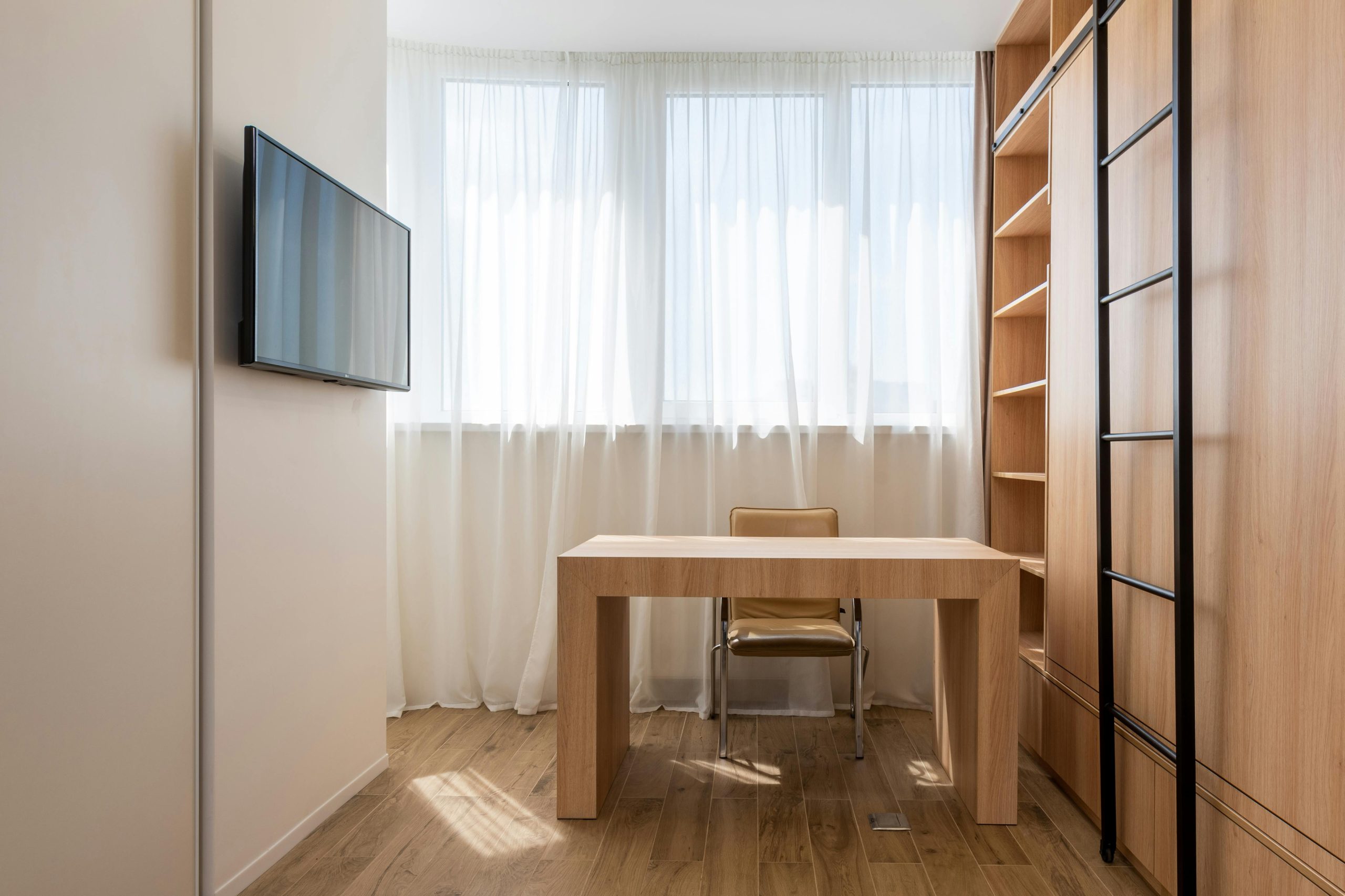
The modern urban reality is often measured in square footage, and for many of us, that measurement is shrinking. Whether it’s a studio apartment in a bustling city center or a cozy cottage that’s bursting at the seams, the challenge remains the same: how do you host a dinner party, run a home office, and maintain a relaxing sanctuary all within the same four walls?
The answer isn’t necessarily to move to a bigger house. The answer lies in multi-functional furniture.
Living “large” in a small space—or what we like to call a “DailyNest”—is an art form. It requires shifting our perspective from seeing furniture as static objects to seeing them as versatile tools. When every piece of furniture earns its keep by performing two or even three tasks, the walls seem to push outward, and the clutter begins to vanish.
The Philosophy of the “Swiss Army” Home
In a traditional home, rooms are defined by their furniture. A bed makes a bedroom; a dining table makes a dining room. In a small DailyNest, those boundaries are fluid. Your living room might need to be a yoga studio at 7:00 AM, a high-stakes boardroom at 10:00 AM, and a guest suite by 9:00 PM.
To achieve this, professional interior designers look for three specific traits in furniture:
-
Scale: It must fit the room without “choking” the walkways.
-
Transformation: It must be able to change shape or function with minimal effort.
-
Hidden Storage: It should utilize the “dead space” that standard furniture ignores.
1. The Living Room: Beyond the Sofa
The sofa is usually the largest inhabitant of your living space. If it only serves as a place to sit, it’s underperforming.
-
The Storage Ottoman: Replace your traditional coffee table with a large, sturdy ottoman. Not only does it provide extra seating for guests and a place to kick up your feet, but the hollow center is the perfect “black hole” for extra blankets, board games, or seasonal decor.
-
The “Sleeper” Evolution: Forget the thin, wire-mesh sofa beds of the past that left your guests with backaches. Modern daybeds and high-end sleeper sofas now feature memory foam mattresses and sleek silhouettes that look like high-fashion furniture during the day and provide a legitimate night’s sleep by dark.
-
Nest Tables: Instead of one massive coffee table that stays in the center of the room, use nesting tables. They stack neatly when you’re alone, but can be spread across the room to hold drinks and appetizers when company arrives.
2. The Kitchen and Dining: The Folding Revolution
Dining areas are often the biggest waste of space in a small home because they sit empty for 22 hours a day.
-
Drop-Leaf Tables: A classic for a reason. A drop-leaf table can live against a wall as a slim console or a desk. When it’s time for dinner, pull it out, lift the “leaves,” and suddenly you have seating for four.
-
Gate-Leg Tables: These are the extreme version of the drop-leaf. Some models fold down to just 8 or 10 inches wide, allowing you to tuck them behind a sofa or in a closet when they aren’t in use.
-
The Kitchen Island on Wheels: If you lack counter space, a rolling butcher block is a lifesave. It acts as your prep station while cooking, a bar for serving drinks, and can be rolled into a corner or a different room entirely when you need the floor space for something else.
3. The Bedroom: Reclaiming the Vertical
In a small bedroom, the bed is a “space hog.” However, it’s also the largest opportunity for hidden utility.
-
Hydraulic Lift Beds: Unlike drawers under the bed (which can be hard to open in a tight room), a hydraulic lift bed allows you to pull the entire mattress upward with one hand. This reveals a massive, cedar-lined storage area the size of the bed frame—perfect for suitcases, winter coats, and bulkier items.
-
Headboard Storage: If you don’t have room for nightstands, choose a headboard with built-in shelving. This keeps your books, glasses, and phone chargers within reach without requiring extra floor-bound furniture.
-
The Murphy Bed Desk: This is the ultimate “DailyNest” hack. By day, the unit looks like a sleek cabinet with a built-in desk. By night, the bed folds down over the desk (often without you even having to move your computer). It turns a dedicated office into a dedicated bedroom in about ten seconds.
4. The Workspace: The “Cloffice” and Beyond
With the rise of remote work, the need for a home office has become non-negotiable, yet most small homes don’t have a spare room.
-
Wall-Mounted Fold-Down Desks: These look like a simple floating shelf or a piece of wall art. When you’re ready to work, the front panel flips down to create a laptop-ready surface. When the workday is over, you literally “close” your office, which provides a much-needed psychological break between work and home life.
-
Ladder Shelves with Desks: These units use vertical wall space to provide bookshelves, but the bottom shelf is extended and reinforced to serve as a desk. It has a tiny footprint but offers massive storage.
5. Strategic Decor: The “Hidden” Functionals
Even your smaller decor items should work double-time to make the space feel larger.
-
Mirror-Fronted Cabinets: A mirror is the oldest trick in the book for making a room look twice as large. When that mirror is also the door to a shallow jewelry or media cabinet, you’re gaining storage while creating the illusion of depth.
-
Room Divider Shelving: Instead of a solid wall or a folding screen, use an open-backed bookshelf (like the IKEA Kallax style) to divide a studio apartment. It defines the “bedroom” from the “living room” while providing storage and allowing light to pass through, keeping the space from feeling claustrophobic.
Comparison: Standard vs. Multi-Functional Furniture
| Standard Item | Multi-Functional Upgrade | The “Living Large” Benefit |
| Coffee Table | Storage Ottoman | Hides clutter; adds extra seating. |
| Fixed Dining Table | Drop-Leaf Table | Reclaims floor space for 90% of the day. |
| Guest Bed | Murphy Bed / Desk Combo | Allows one room to serve two distinct purposes. |
| Armchair | Swivel Rocker | Can face the TV or the conversation area easily. |
| Standing Lamp | Shelved Floor Lamp | Provides light while holding books/plants. |
Tips for Curating Your DailyNest
-
Prioritize Quality: Because multi-functional furniture has moving parts (hinges, hydraulics, wheels), it takes more wear and tear than a standard chair. Don’t skimp on the hardware; a cheap folding table that wobbles will only make you frustrated.
-
Keep it Cohesive: When one room serves many purposes, it’s easy for the decor to feel disjointed. Stick to a consistent color palette and wood tone so that when the room “transforms,” it still feels like a unified home.
-
Audit Your “Stuff”: Multi-functional furniture gives you more storage, but it isn’t a license to hoard. The goal is to create a “breathing” home. Even with great furniture, a small space needs a regular “edit” to keep it from feeling heavy.
Final Thoughts
Living in a small space doesn’t have to feel like a compromise. In many ways, a smaller “DailyNest” forces us to be more intentional about what we bring into our lives. When you choose pieces that are as smart as they are beautiful, you stop fighting against your square footage and start making it work for you.
You don’t need more room; you just need more room for your life to happen. By investing in pieces that adapt to your needs, you can truly live large, no matter how small your footprint.
Leave a Reply