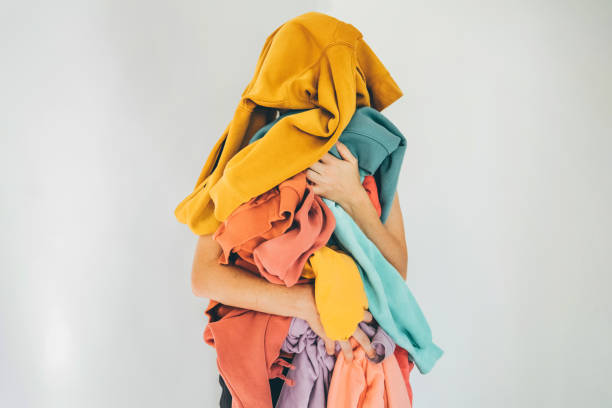
I used to think I was great at doing laundry. I would sort the colours, pour in a generous cup of heavily scented, bright blue detergent, add a splash of fabric softener, and run everything on the “Heavy Duty” hot water cycle. I thought I was being thorough. I thought my clothes were impeccably clean.
Then, I actually looked at my utility bills. Between the water heater working overtime and the dryer spinning for hours, my laundry room was quietly acting as the most expensive, energy-hungry room in my house.
Worse than the financial cost was the realization of what I was actually doing to my clothes—and my skin. That “spring breeze” scent I loved? It was a cocktail of synthetic volatile organic compounds (VOCs). The fabric softener? It was essentially coating my family’s clothes in a layer of animal fat and silicone, destroying the absorbency of our towels and breaking down the elastic in our garments.
We have been sold a massive marketing myth that “clean” requires scalding hot water and a chemistry lab’s worth of neon-colored liquids. It doesn’t.
Sustainable laundry isn’t about compromising on cleanliness. It is a professional approach to garment care that extends the life of your wardrobe, slashes your utility bills, and removes harsh irritants from your home environment. Here is your blueprint for a greener, cheaper, and healthier laundry routine.
1. The Energy Equation: The Cold Water Pivot
The single biggest environmental and financial impact of your laundry routine doesn’t come from the washing machine’s motor. It comes from your water heater.
Roughly 90% of the energy used by a washing machine goes toward heating the water. * The Myth of Hot Water: We inherited the “hot water equals clean” rule from our grandparents, who were using rudimentary powder detergents that couldn’t dissolve in cold water. Today, modern detergents are formulated with highly advanced enzymes that are designed to activate and clean brilliantly in cold water (around 60°F).
-
The Fabric Benefit: Hot water breaks down fabric fibers, fades dyes, and sets protein stains (like blood or sweat) permanently into the fabric. Washing in cold water not only saves you money on your gas or electric bill, but it also prevents your clothes from shrinking and wearing out prematurely.
-
When to Use Hot Water: Reserve hot water exclusively for sanitizing. If someone in the house has the flu, or if you are washing heavily soiled cloth diapers or bed linens after an illness, hot water is justified. For everything else, turn the dial to cold.
2. The Chemical Load: Rethinking Detergent
Walk down the laundry aisle at any grocery store, and you are assaulted by the smell. The conventional laundry industry relies heavily on optical brighteners (chemicals that reflect blue light to make clothes appear whiter), synthetic fragrances, and harsh surfactants.
These chemicals don’t just wash down the drain and disrupt local aquatic ecosystems; they stay in the fabric, resting against your largest organ (your skin) 24 hours a day.
-
Ditch the Pods and Plastics: The heavy plastic jugs that conventional liquid detergents come in are rarely recycled effectively. Furthermore, liquid detergent is mostly water—you are paying a premium to ship heavy water across the country.
-
The Sustainable Swap: Switch to concentrated laundry strips, powder, or ultra-concentrated liquid in glass or cardboard packaging. Look for brands that are explicitly free of dyes, synthetic fragrances, and optical brighteners.
-
Use Less Than You Think: The measuring cup on a standard bottle of detergent is designed to make you over-pour so you buy more product. For a normal load of laundry, you only need about two tablespoons of liquid detergent. Any more than that, and your machine cannot rinse it all out, leaving a dingy residue on your clothes.
3. The Fabric Softener Trap
If there is one product you should ban from your laundry room today, it is fabric softener (both the liquid and the dryer sheets).
-
The Problem: Fabric softeners do not actually soften the fibers of your clothes. They coat them in a thin layer of synthetic lubricants. This is why your “soft” towels eventually stop absorbing water and start smelling slightly musty. It also destroys the moisture-wicking properties of your expensive athletic wear.
-
The White Vinegar Swap: If you want naturally soft clothes and a clean machine, pour half a cup of plain white distilled vinegar into the fabric softener dispenser of your washing machine. The natural acidity strips away leftover detergent residue, leaving clothes genuinely soft. And no, your clothes will not smell like a salad dressing once they are dry.
4. The Microplastic Problem
Every time we wash synthetic fabrics—like polyester fleece, nylon activewear, or acrylic sweaters—microscopic plastic fibers break off and wash down the drain. These microplastics are too small to be caught by water treatment plants and end up in our rivers, oceans, and eventually, our food chain.
-
Wash Synthetics Less: The easiest solution is simply to wash these items less frequently. Unless you sweat heavily in it, a fleece pullover does not need to be washed after every wear.
-
The Guppyfriend or Cora Ball: Invest in a microplastic-catching washing bag (like the Guppyfriend) or a Cora Ball that bounces around in the drum. These catch a significant portion of the synthetic fibers before they can escape down the drain. Simply peel the lint out and put it in the trash, where it belongs.
The Cost of Convenience: Traditional vs. Sustainable
| Practice | Traditional Method | The Sustainable Pivot | The Tangible Benefit |
| Temperature | Hot or Warm Water | Cold Water Only | Cuts energy use by up to 90%. |
| Detergent | Neon Liquid in Plastic | Concentrated Powder/Strips | Zero plastic waste; removes skin irritants. |
| Softening | Chemical Dryer Sheets | Wool Dryer Balls & Vinegar | Restores towel absorbency; saves ~$50/year. |
| Load Size | Frequent, Small Loads | Wait for a Full Drum | Saves thousands of gallons of water annually. |
| Drying | 60+ Minutes in the Dryer | Air Drying (When possible) | Extends garment life; eliminates heat damage. |
5. The Drying Dilemma
The tumble dryer is the second biggest energy hog in your house, right behind the refrigerator. It is also incredibly tough on clothes, literally baking the elasticity out of your socks and jeans.
-
Air Dry the “High Value” Items: You don’t have to string a clothesline across your entire backyard if you don’t want to. But invest in a simple, foldable wooden drying rack for your living room. Hang your jeans, activewear, and sweaters to dry overnight. They will last twice as long.
-
Wool Dryer Balls: When you do use the dryer for towels and sheets, toss in three or four wool dryer balls. They separate the fabrics as they tumble, allowing hot air to circulate more efficiently and cutting drying time by up to 25%.
-
Maintain the Machine: Clean your lint filter after every single load. A clogged lint filter forces the machine to work harder, wasting electricity and creating a serious fire hazard.
Final Thoughts: Progress, Not Perfection
Transforming your laundry routine doesn’t mean you have to start washing your clothes in a river with a bar of homemade soap. It is about making smart, professional adjustments that align your household operations with your values—and your budget.
When you start washing in cold water, ditching the toxic softeners, and waiting to run full loads, you aren’t just doing the environment a favor. You are protecting the financial investment you’ve made in your wardrobe, lowering your monthly utility output, and creating a genuinely cleaner, healthier home.
It is one of the rare instances where doing the “right” thing is actually the easiest and cheapest option on the table.
Take Action Today
Take a look at the bottle of detergent sitting in your laundry room right now. Does it list the actual ingredients, or does it just have a vague warning label?
What is the one laundry habit you rely on that you think will be the hardest to break—is it the hot water, or the scented dryer sheets? Let me know in the comments below, and let’s figure out a sustainable swap!
Would you like me to help you draft a specific “Cheat Sheet” to print and hang in your laundry room so everyone in the family knows exactly how to wash different fabrics without ruining them?
Leave a Reply